

Our archives on acquisition

Datafiles May 26

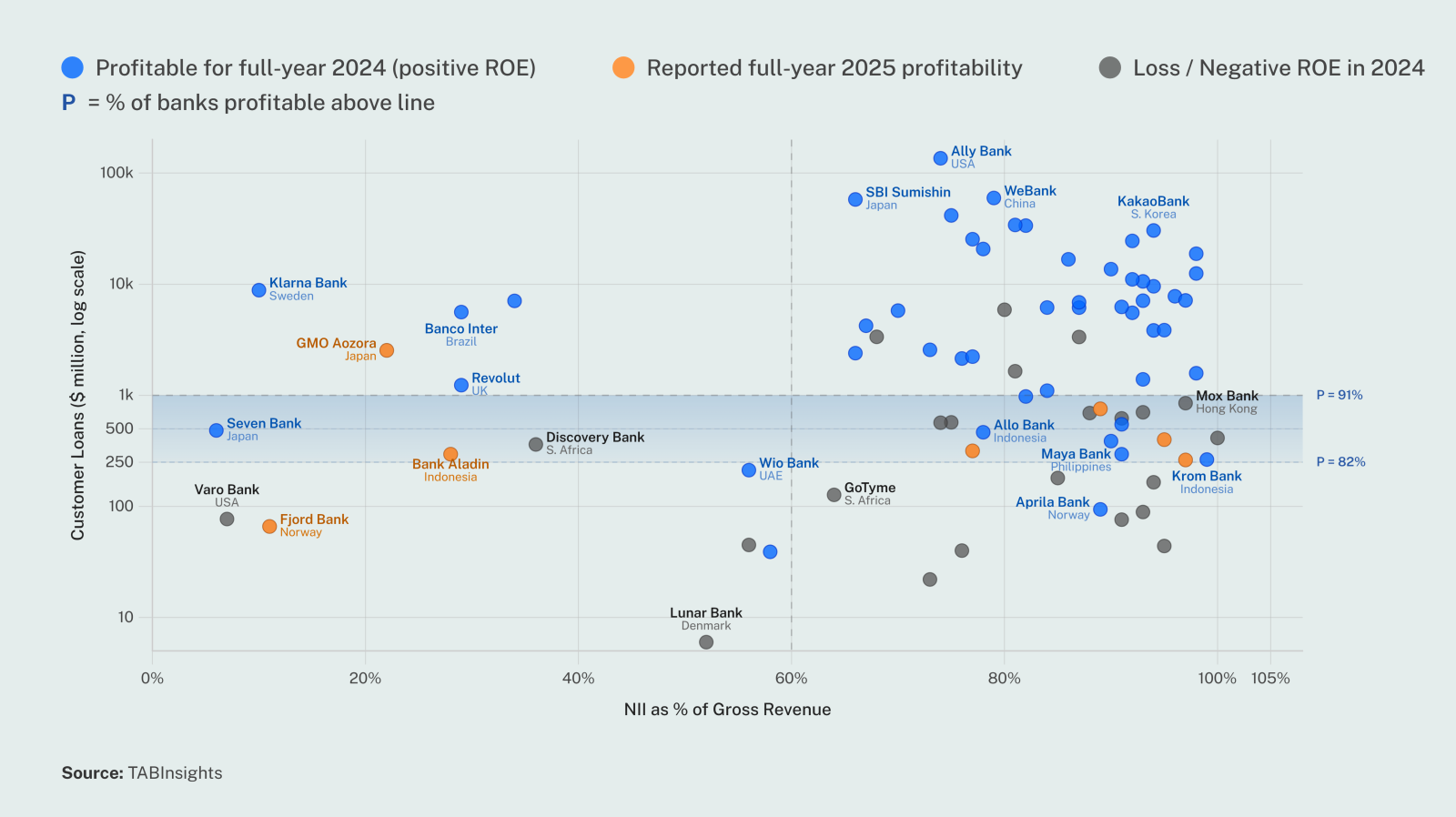
Digital banks with loan balances above $250 million are significantly more likely to be profitable, as scale and product diversification strengthen revenue. Most reach breakeven within three to six years. For those still unprofitable past the seven-year mark, N26 in Germany, Varo Bank in the US, Lunar Bank in Denmark and CIMB Bank Philippines among them, face an increasingly difficult case for continued investment.

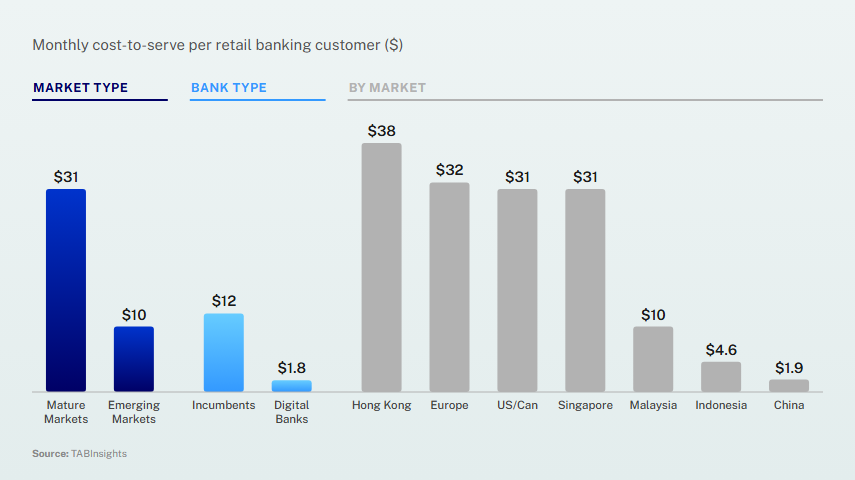
Digital banks serve customers far more cheaply than incumbents, but most generate less revenue for every dollar spent on servicing. Nubank and WeBank stand out, generating 4.1x and 3.8x their servicing cost in revenue respectively, outperforming leading incumbents. Most other digital banks fall short of incumbent benchmarks, showing that lower cost-to-serve alone does not guarantee stronger economics.

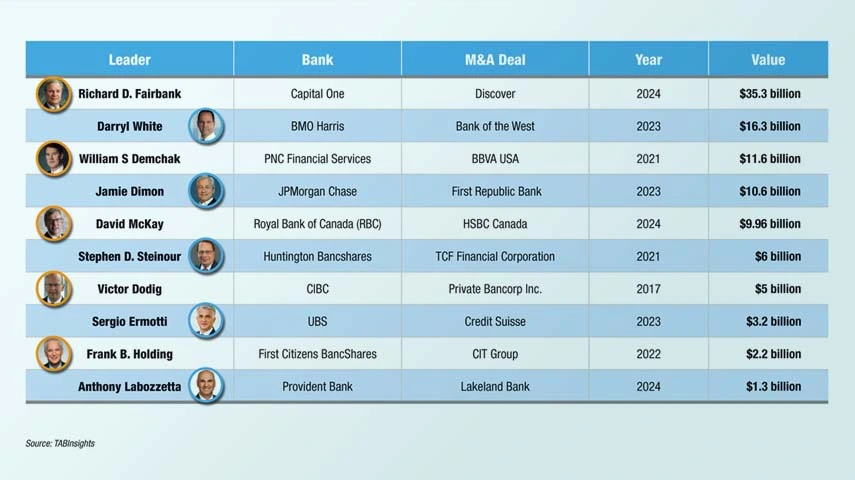
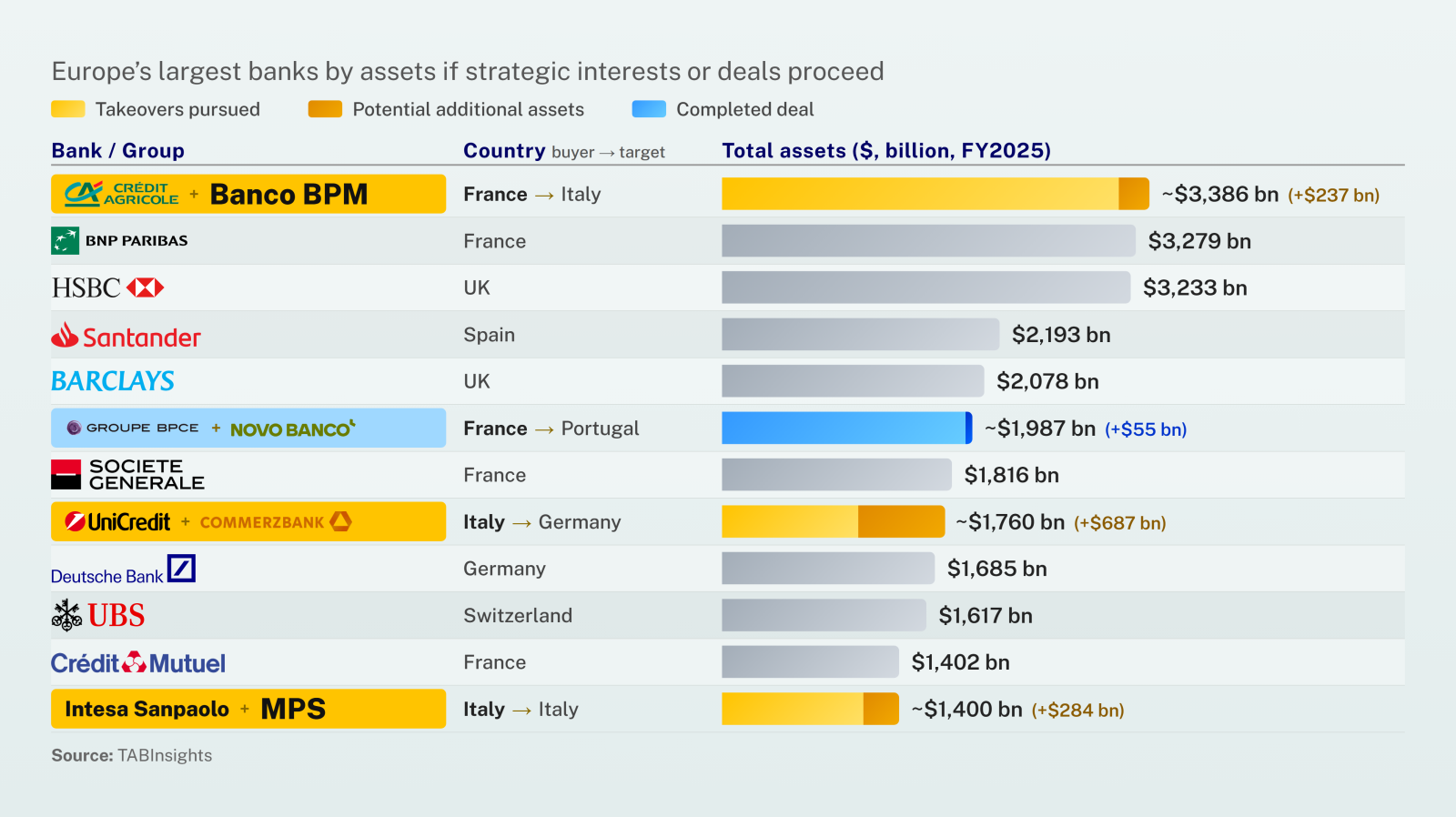
European cross-border banking consolidation is gaining momentum. Italy’s UniCredit is nearing regulatory clearance to take control of Germany’s Commerzbank, while France’s Crédit Agricole has proposed merging its Italian subsidiary with Banco BPM to create Italy’s third-largest bank and strengthen its position among Europe’s largest banking groups. But consolidation is no longer simply about scale. It is increasingly about gaining control of key markets, strategic assets and the broader financial services value chain. Three developments stand out as this trend takes shape through the rest of 2026 and into 2027.

Exclusive benefits are on your way. Subscribe and enjoy the benefits.