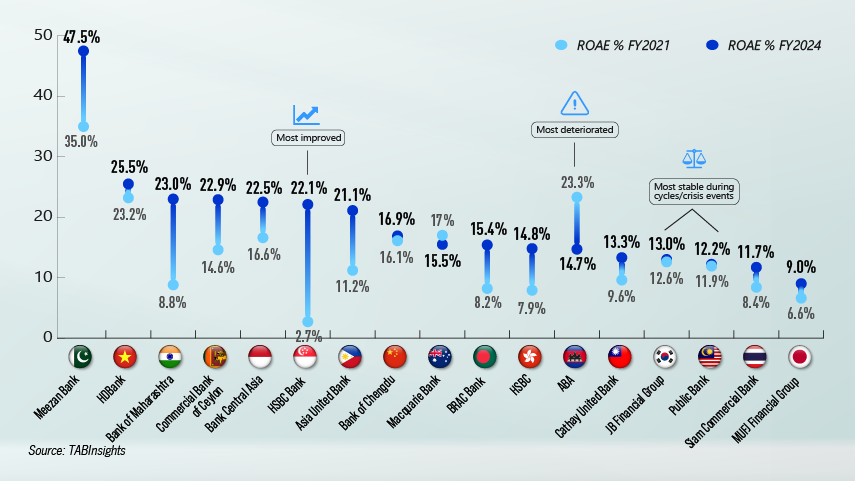

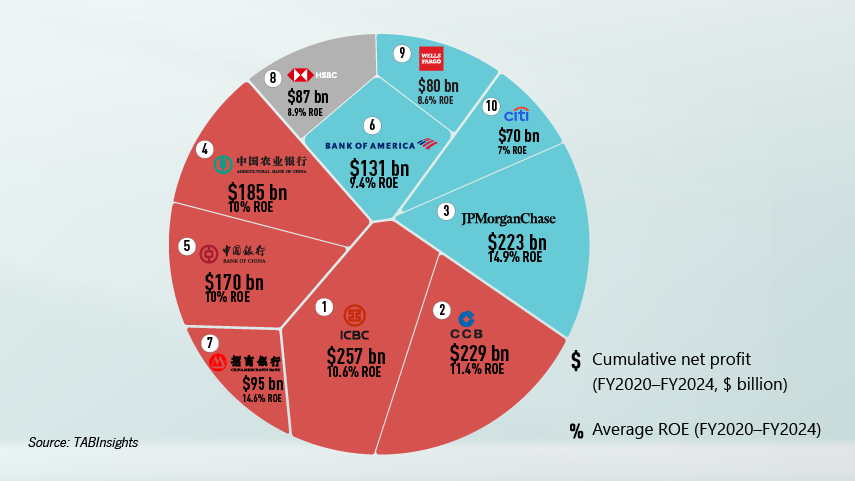
Chinese and US megabanks generate the largest absolute profits through scale and diversification, while emerging-market banks deliver higher — but more volatile — returns on equity.
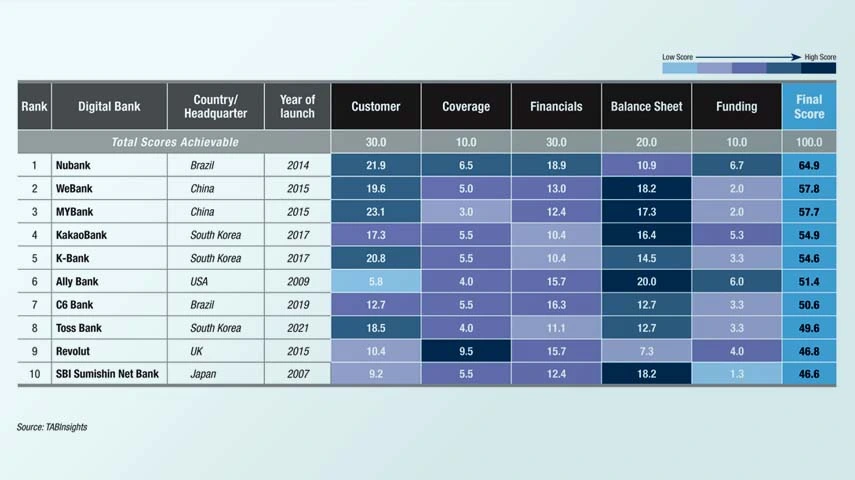
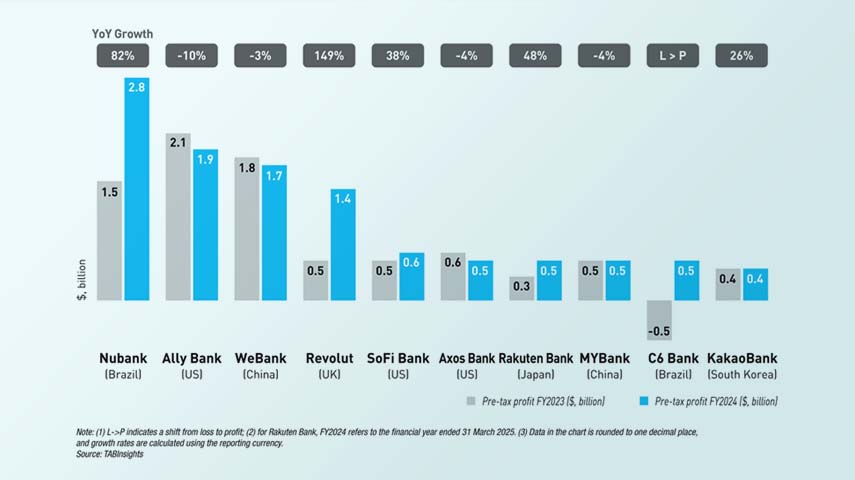
Digital banks are moving toward more structured growth, with headline growth moderating but overall expansion remaining strong. Profitability has improved, while balance-sheet management, revenue diversification and operational efficiency have become defining priorities.

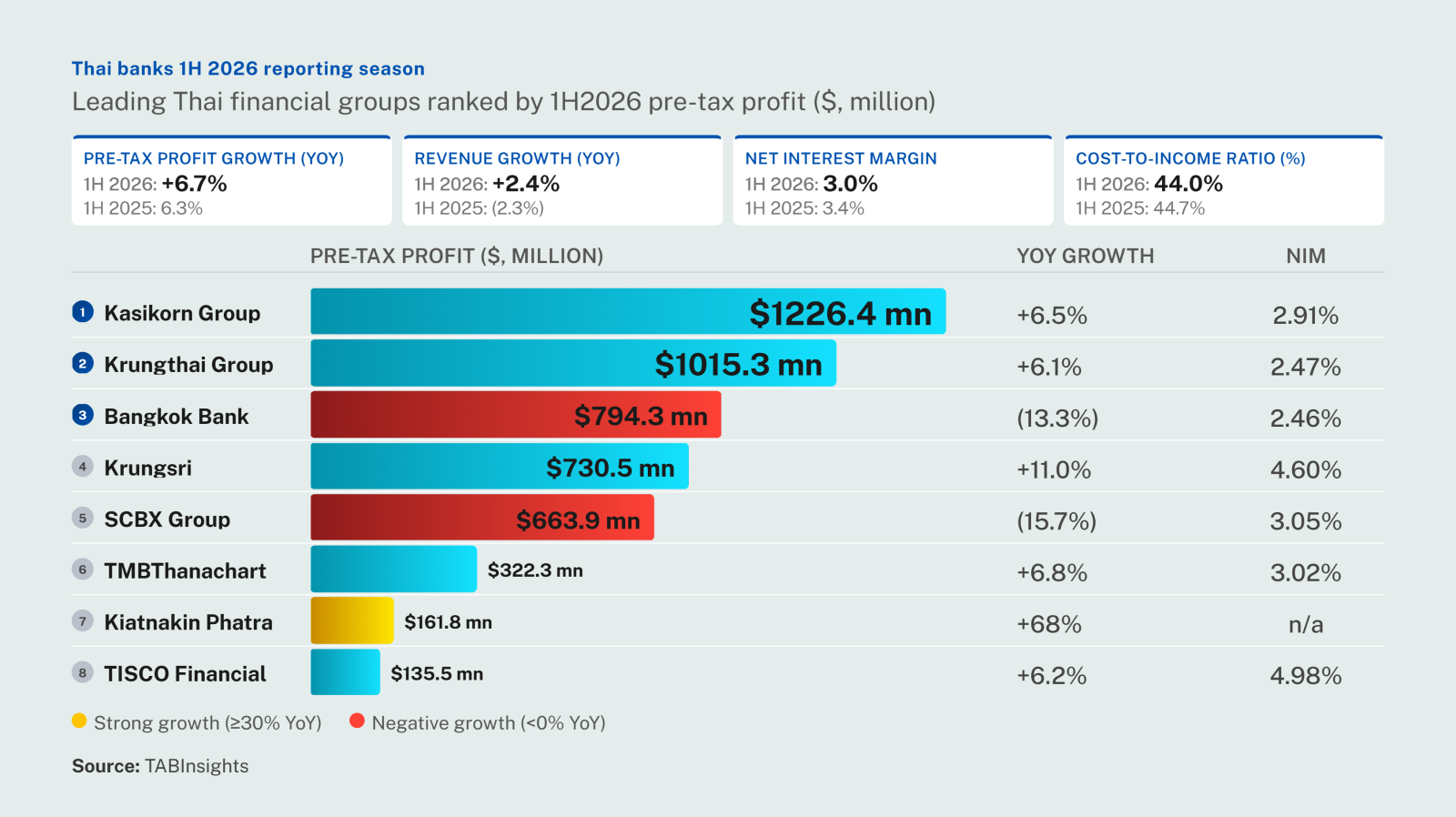
The top 10 digital banks by pre-tax profit leveraged scale advantages, yet growth varied widely, reflecting differences in strategies, market dynamics and operational priorities.
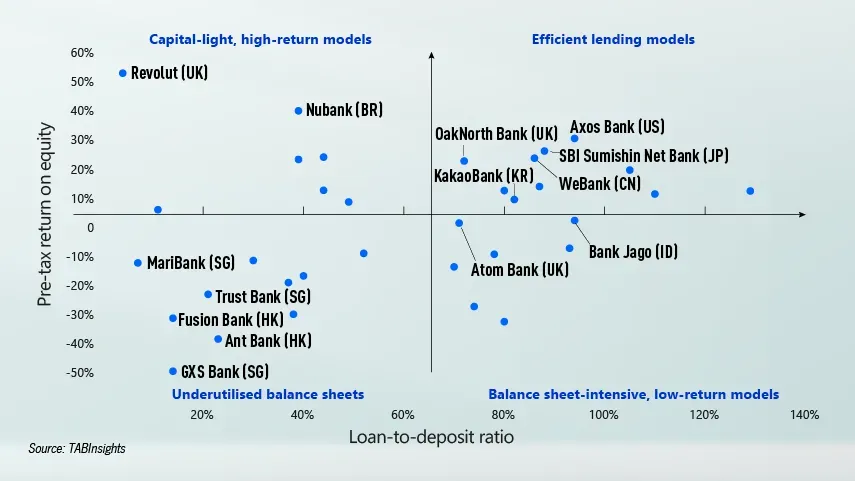
Top digital banks achieve profitability either through disciplined lending execution or by monetising customer ecosystems, not simply by scaling loan growth.
Asia Pacific remains the world's least profitable banking region, but a group of small emerging-market banks with assets below $50 billion are delivering outsized returns.
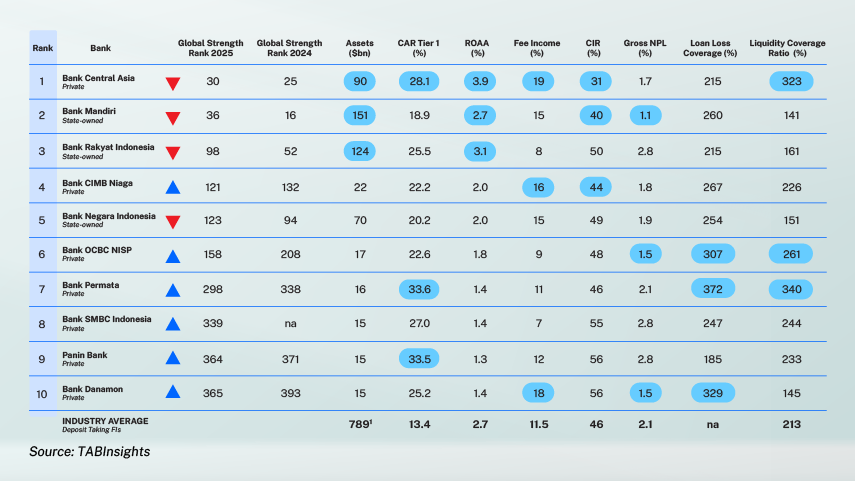
Indonesia's banking sector comprises 16 institutions in the TAB Global World’s 1000 Largest and Strongest Banks Ranking 2025, out of a total of 105 commercial banks in Indonesia. Bank Central Asia and Bank Mandiri stand out in Indonesia’s financial landscape, each excelling with distinct strategies and financial performance.
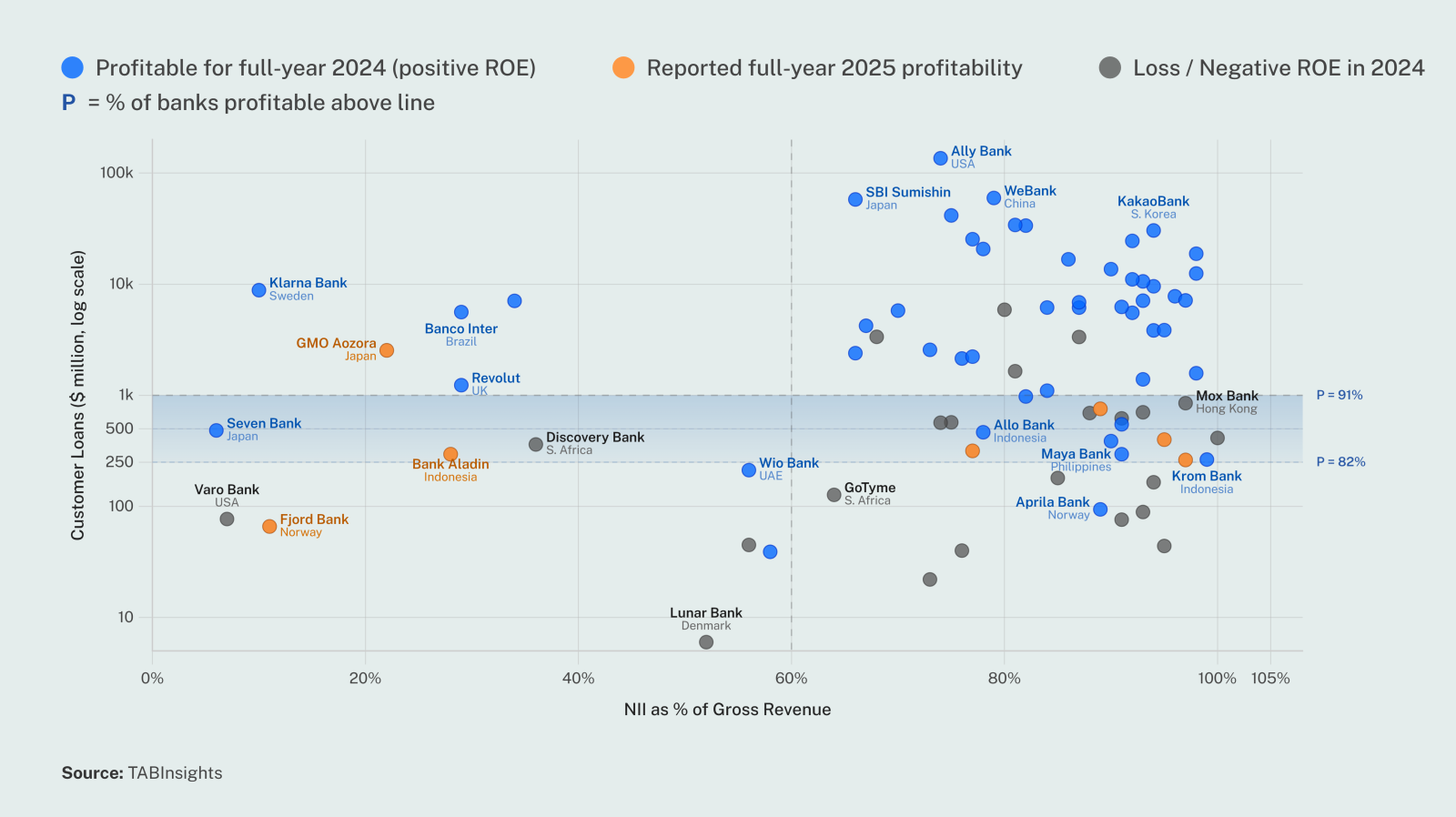
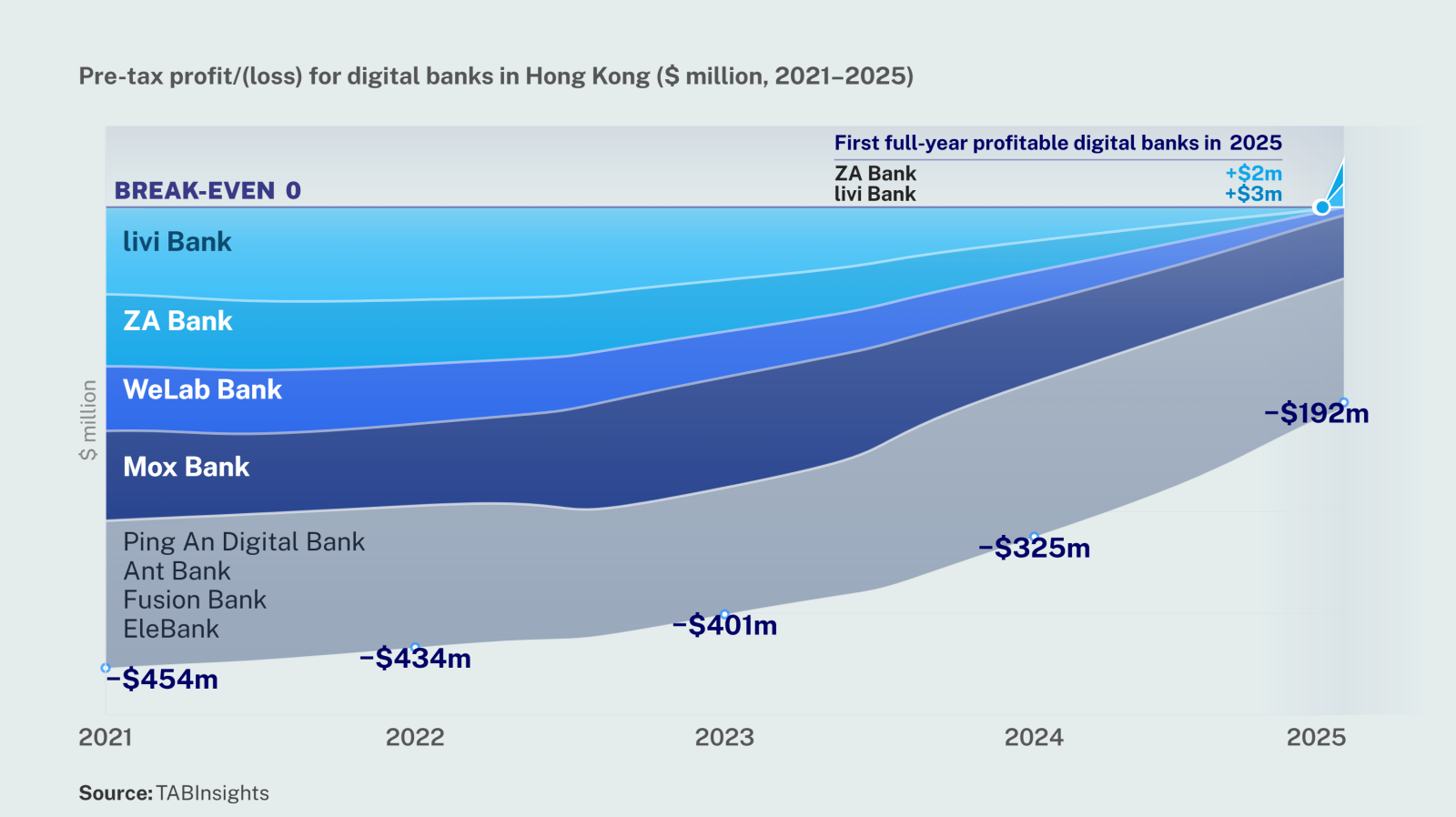
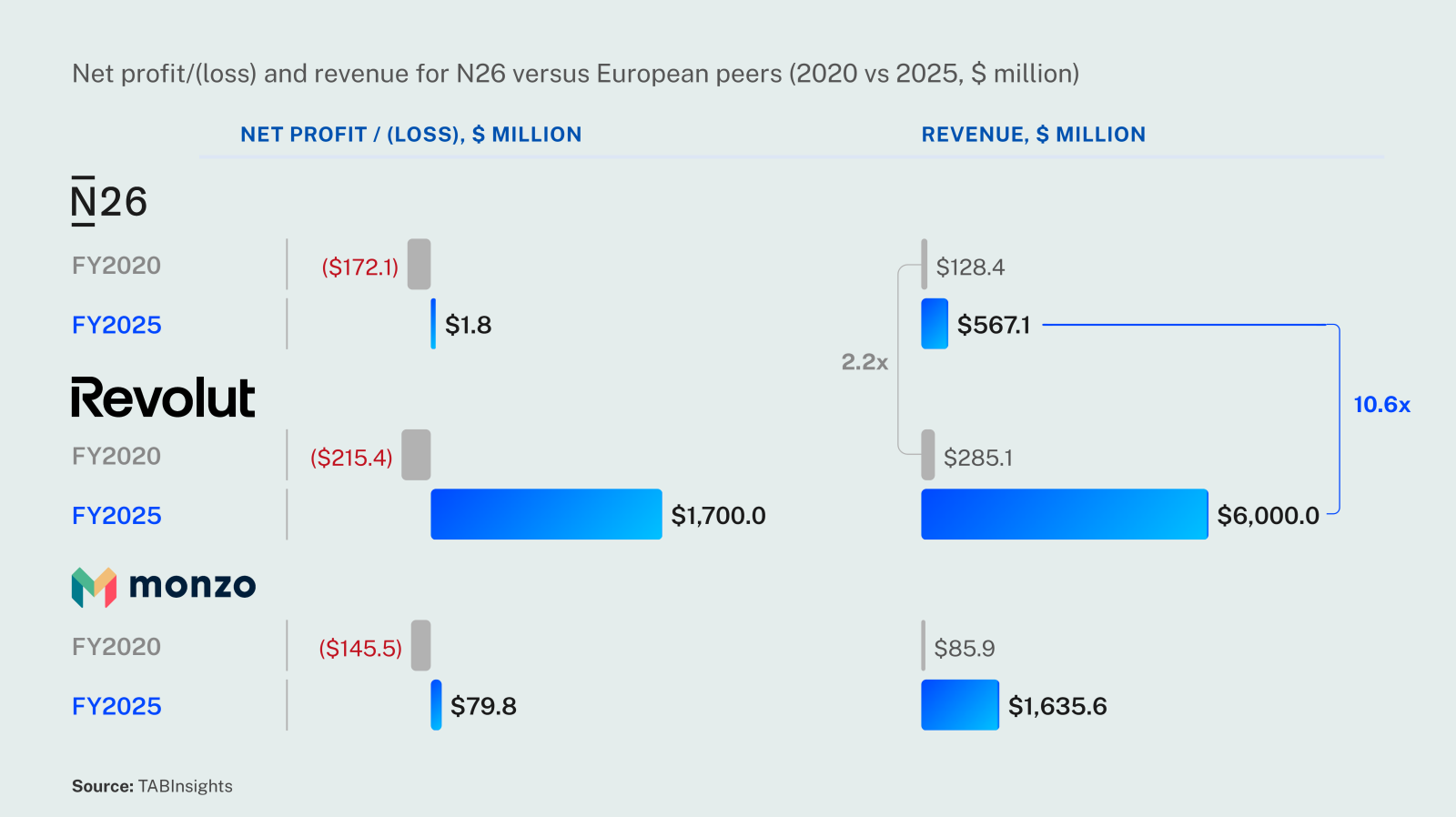
Digital banks with loan balances above $250 million are significantly more likely to be profitable, as scale and product diversification strengthen revenue. Most reach breakeven within three to six years. For those still unprofitable past the seven-year mark, N26 in Germany, Varo Bank in the US, Lunar Bank in Denmark and CIMB Bank Philippines among them, face an increasingly difficult case for continued investment.