
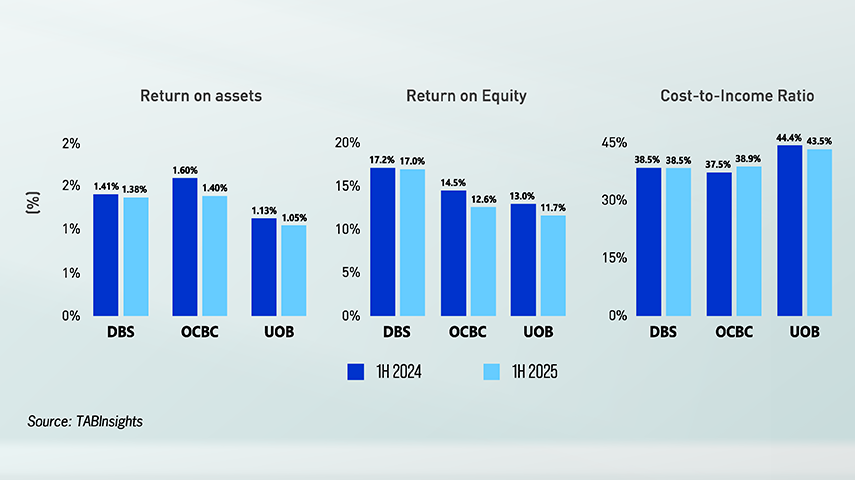
Singapore’s largest banks are shifting from margin-driven profits to growth anchored in wealth, regional connectivity and sustainable finance—building a model designed for resilience across market cycles.
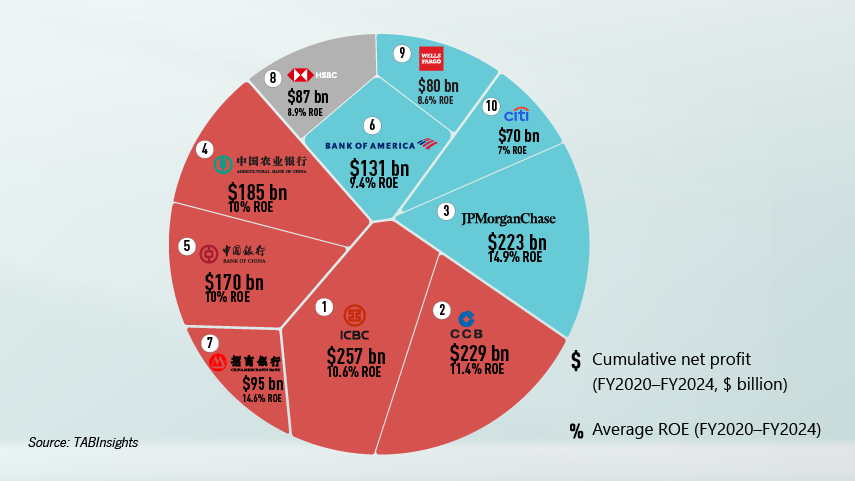
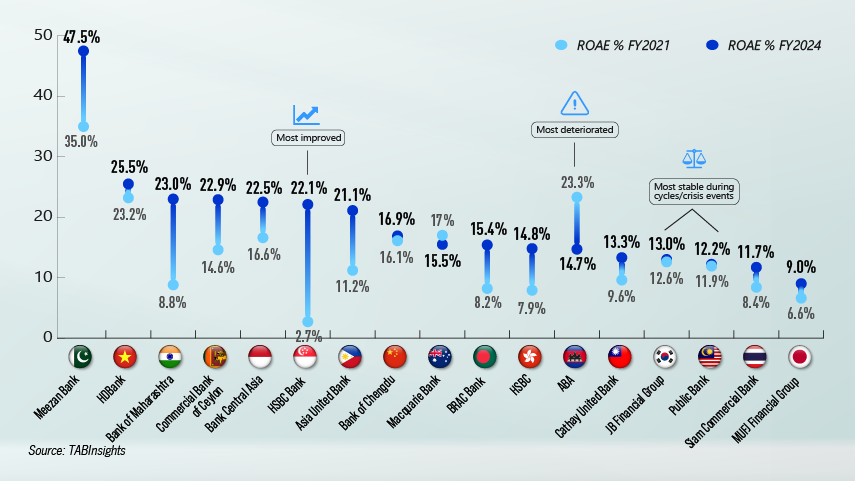
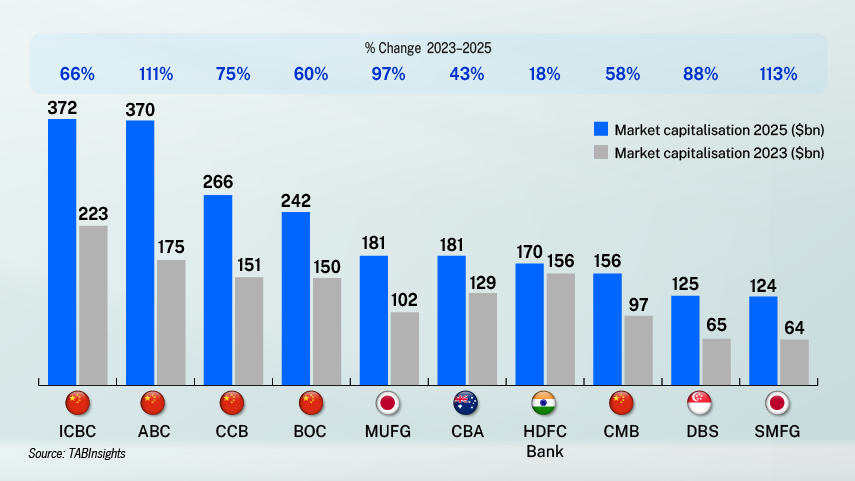
Chinese and US megabanks generate the largest absolute profits through scale and diversification, while emerging-market banks deliver higher — but more volatile — returns on equity.

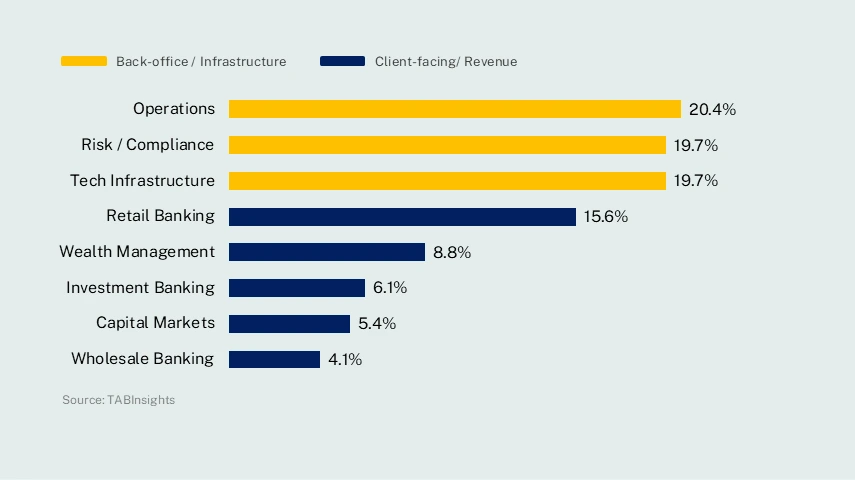
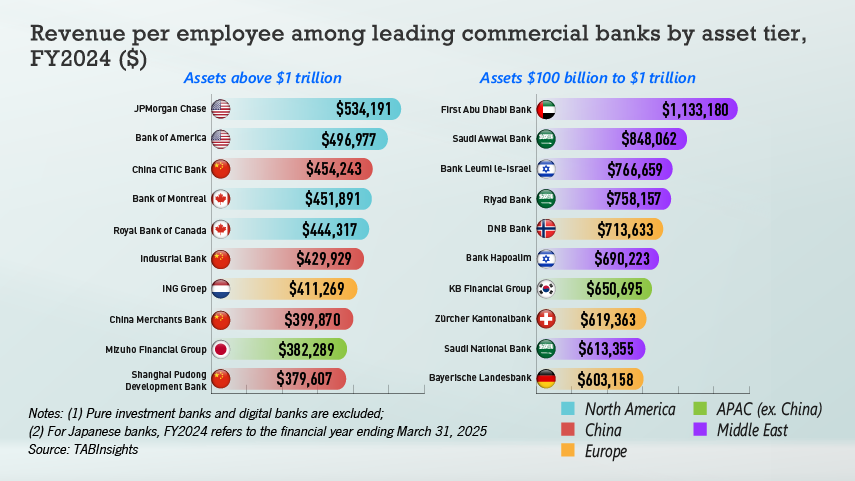
JPMorgan Chase and Bank of America lead large-bank revenue per employee rankings, while mid-tier banks such as First Abu Dhabi Bank and Saudi Awwal Bank report higher overall productivity levels, supported by focused business models, digital adoption and cost discipline.
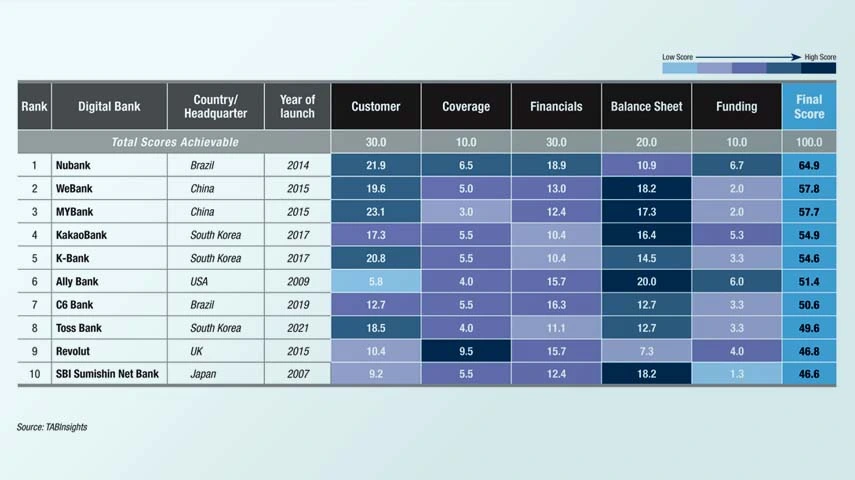
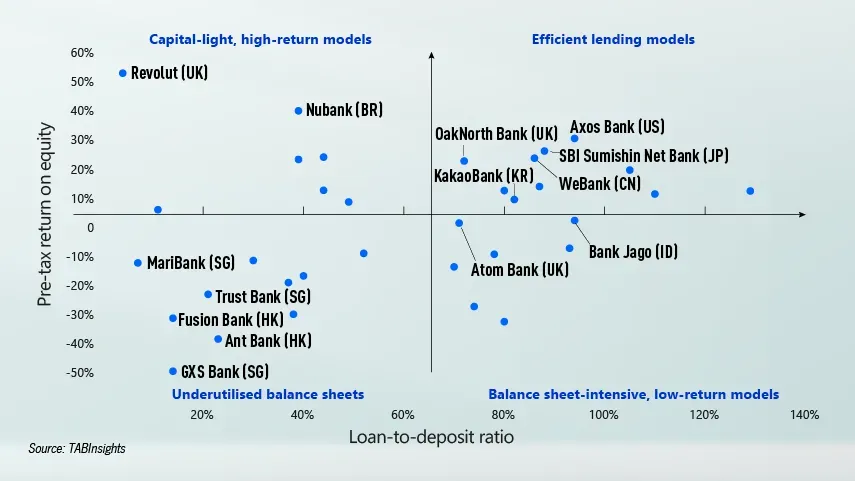
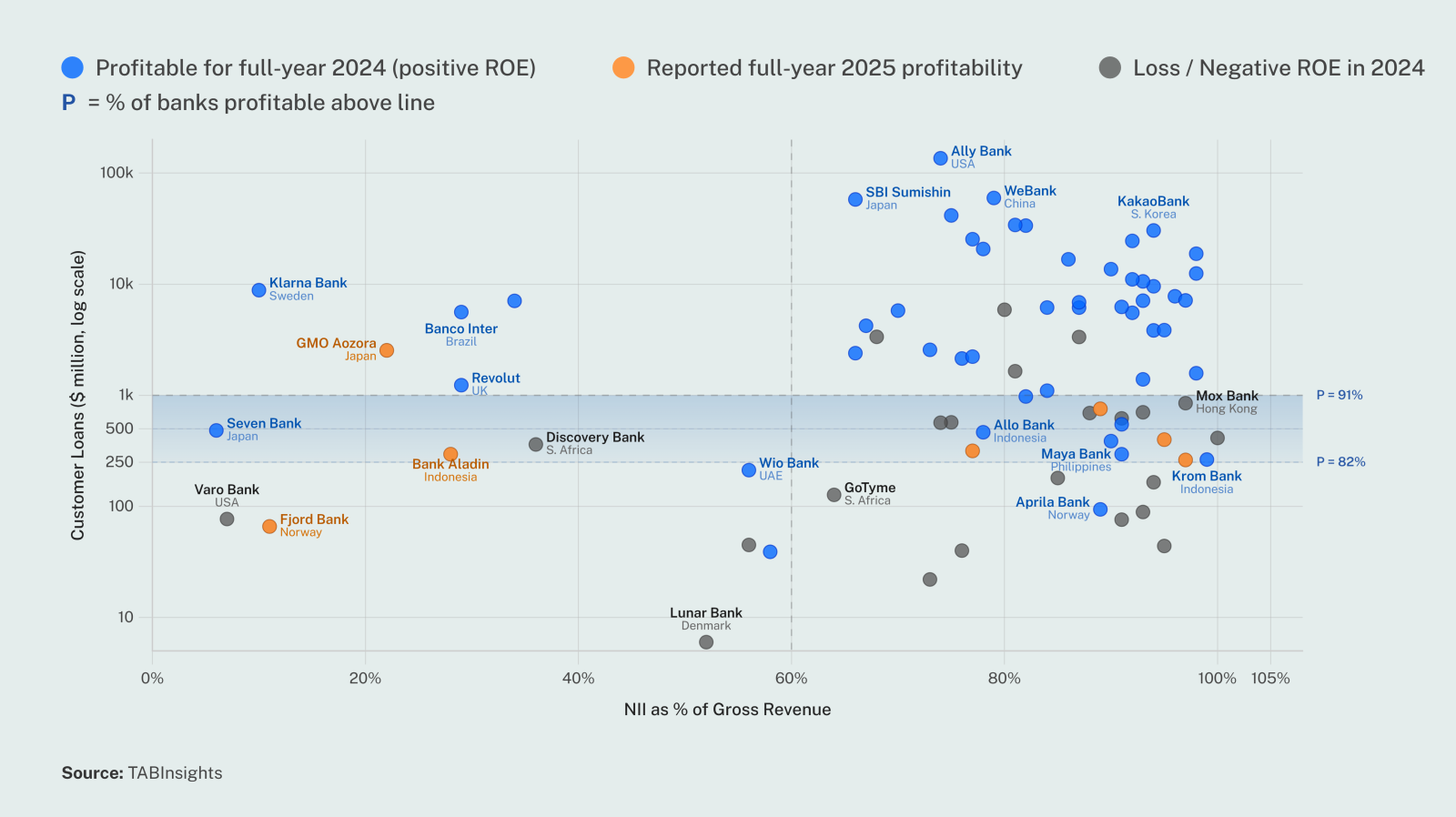
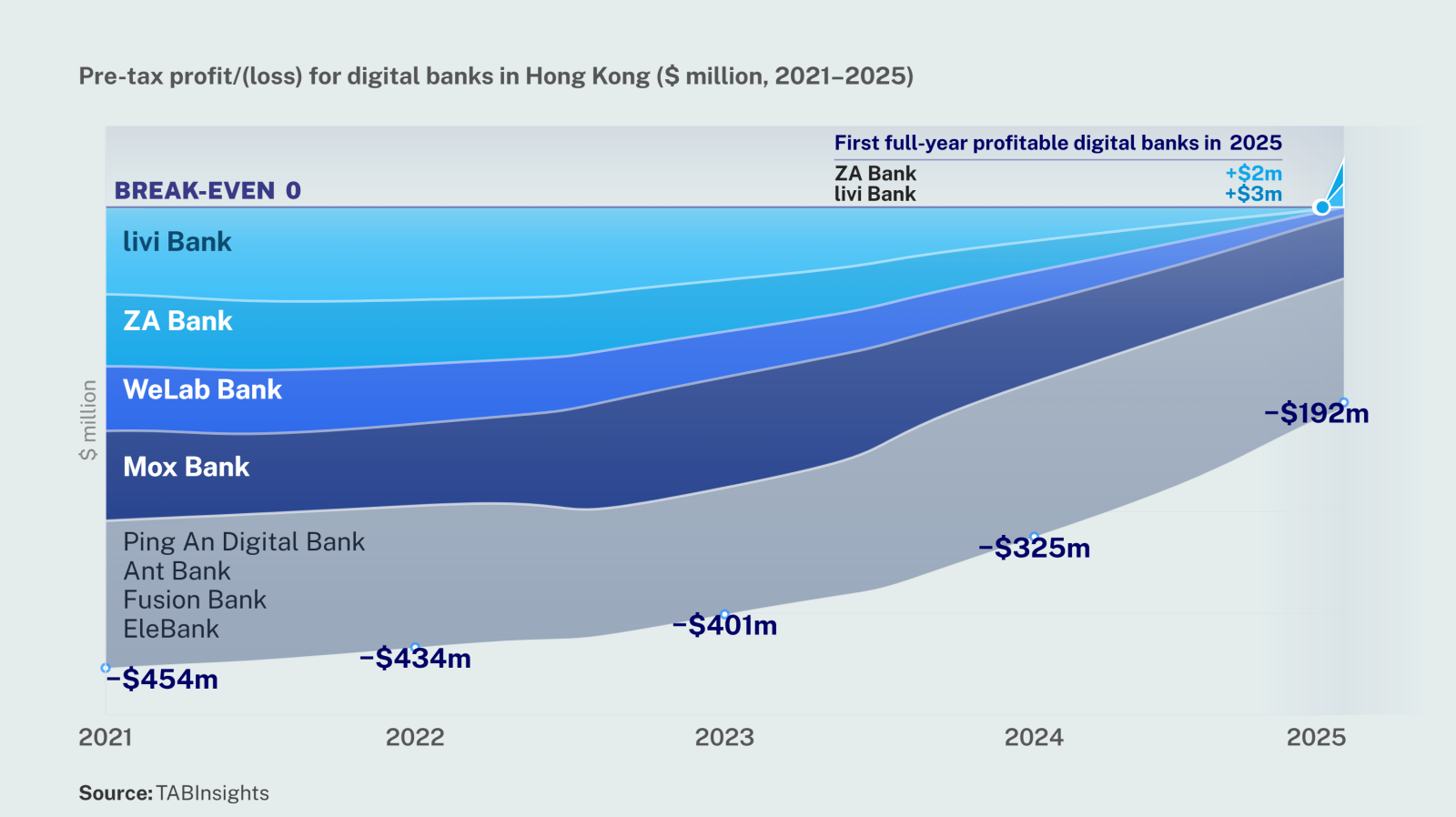
Digital banks are moving toward more structured growth, with headline growth moderating but overall expansion remaining strong. Profitability has improved, while balance-sheet management, revenue diversification and operational efficiency have become defining priorities.
Top digital banks achieve profitability either through disciplined lending execution or by monetising customer ecosystems, not simply by scaling loan growth.
Asia Pacific remains the world's least profitable banking region, but a group of small emerging-market banks with assets below $50 billion are delivering outsized returns.
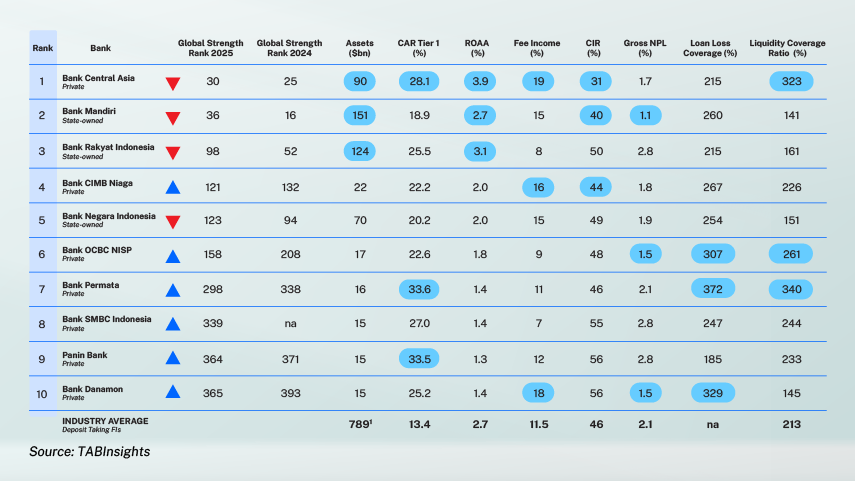
Indonesia's banking sector comprises 16 institutions in the TAB Global World’s 1000 Largest and Strongest Banks Ranking 2025, out of a total of 105 commercial banks in Indonesia. Bank Central Asia and Bank Mandiri stand out in Indonesia’s financial landscape, each excelling with distinct strategies and financial performance.