
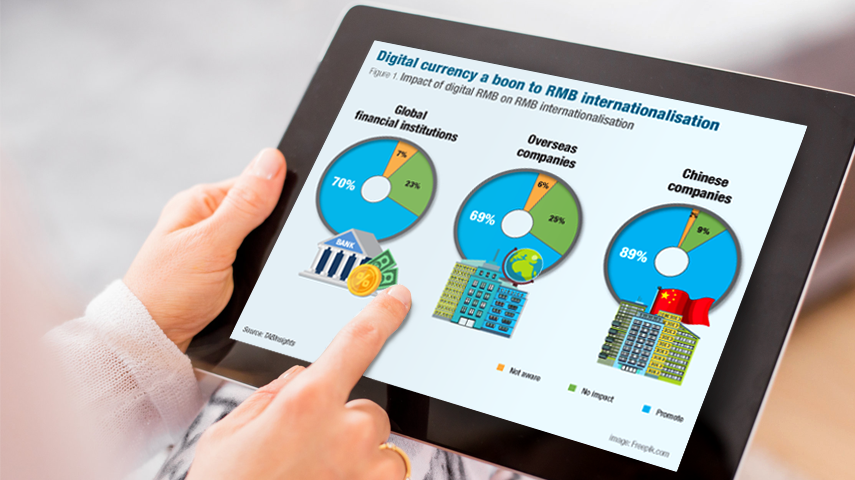
New digital financial infrastructure, new regional free trade agreements, and decisive leadership in the emerging sustainability and green agenda bode well for international RMB adoption.


Pressure on margins from increased competition and compliance requirements is forcing the industry to recalibrate its trade finance offerings. While institutions know that trade digitalisation is important for the future of the business, success relies heavily on deeper coordination and collaboration between the myriad participants in the trade finance ecosystem and technology enablers

Losses from cybercrime has increased sharply as ransomware incidents soar, ‘cybercrime as a service’ provides greater access and new threats emerge, forcing banks to implement multilayered and stronger technology enabled IT risk and security frameworks.
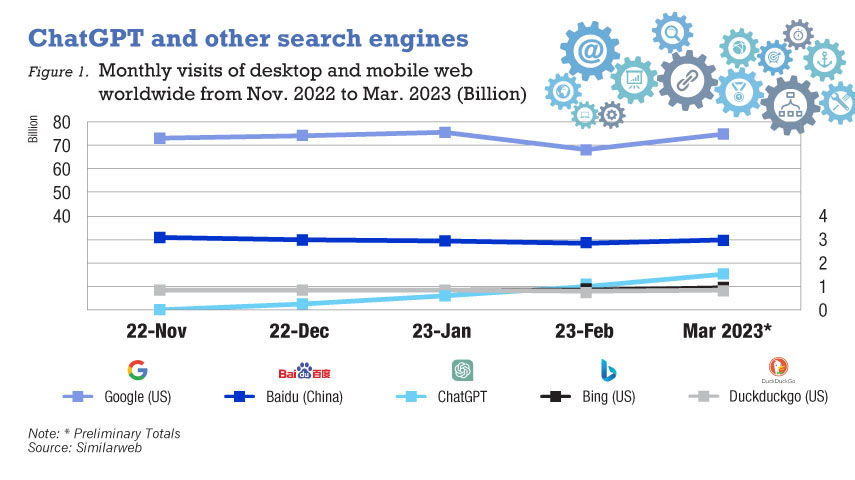
Exponential leaps in artificial intelligence and its rising adoption in the financial services industry mean that some risks need to be assessed and managed along the way
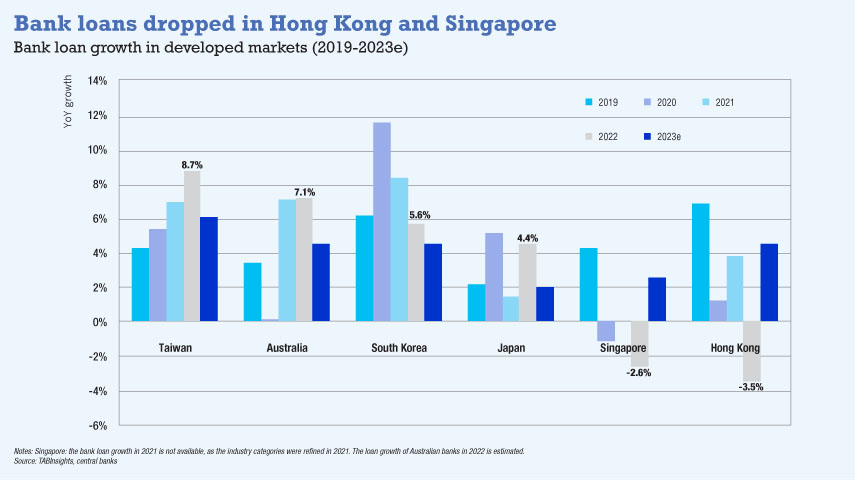
Softening bank loan growth in some markets but Asia Pacific expected to sustain momentum in 2023 with post-COVID-19 recovery in China boosting lending demand
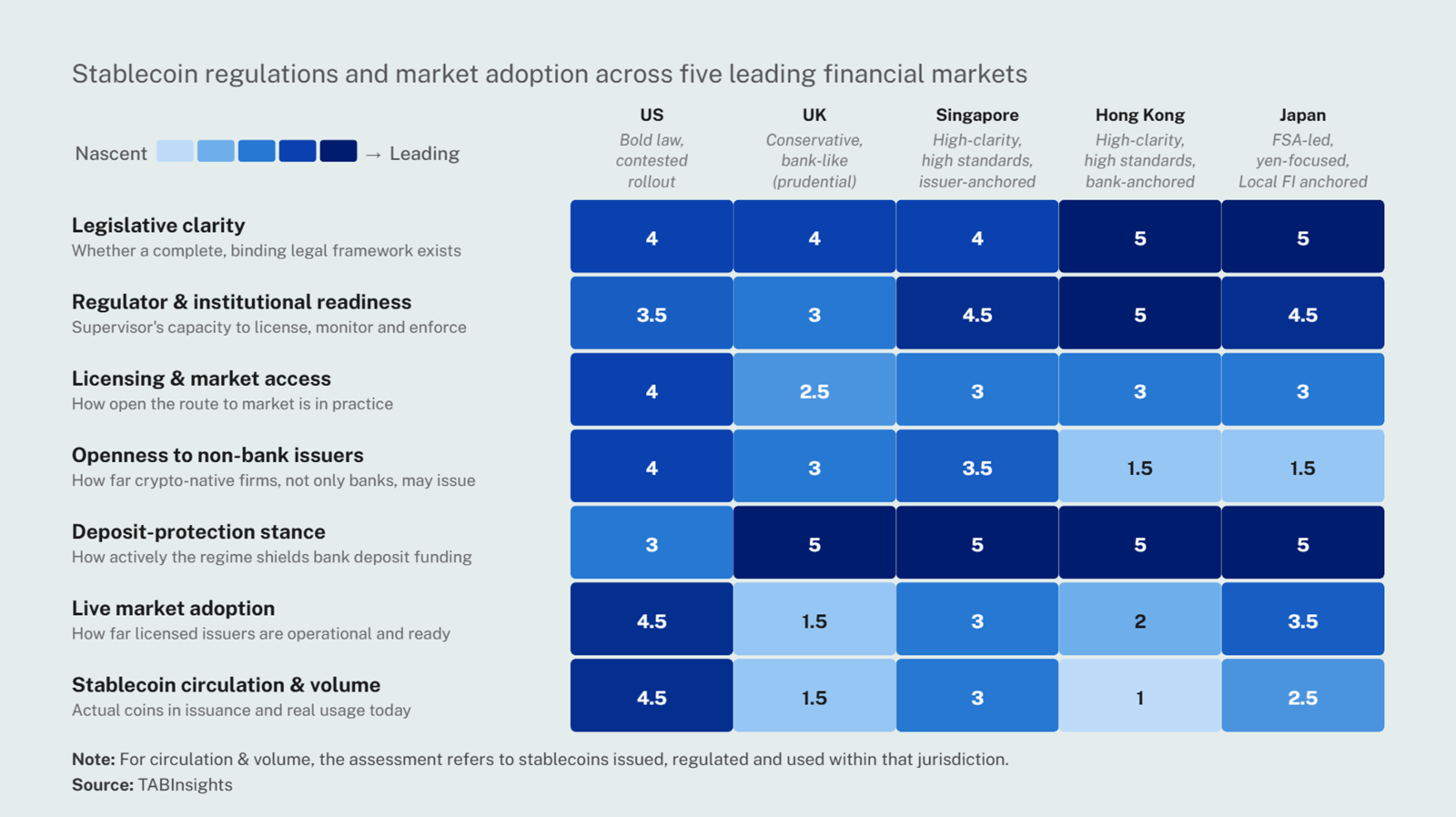
With the July 2026 deadline for US agencies to finalise the implementation of the GENIUS Act approaching, we examine five of the world’s most consequential stablecoin regimes, the United States, United Kingdom, Singapore, Hong Kong and Japan. While these jurisdictions have largely aligned on what constitutes stablecoin, none has yet delivered a commercially scalable market. The real contest has shifted to access, distribution, commercial viability and control—factors that will determine who builds the next generation of payment infrastructure.